Deep Learning
Machine learning using multi-layer neural networks to learn hierarchical representations of data.
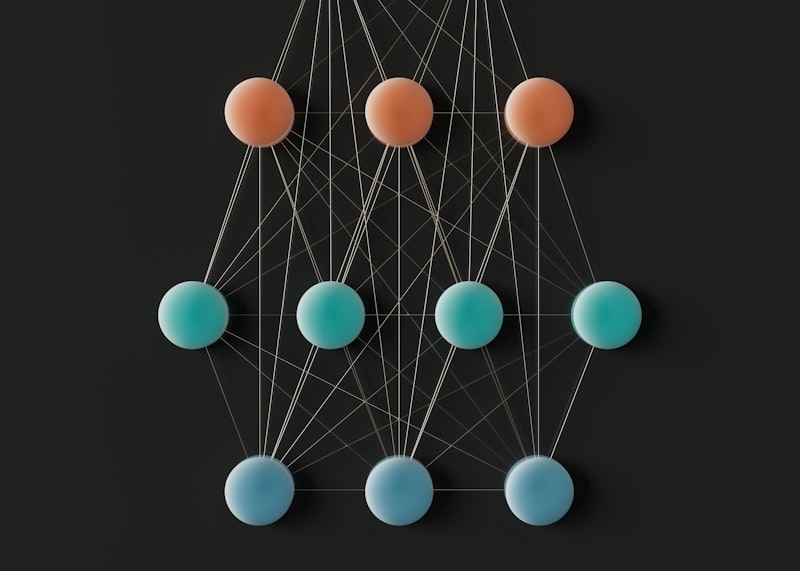
Deep Learning
/diːp ˈlɜːrnɪŋ/
Deep Learning: A specialized subset of machine learning that utilizes multi-layered neural networks to learn hierarchical representations of data. It is the difference between playing a simple melody and orchestrating a complex symphony. Through a "deep" stack of computational layers, the system extracts increasingly abstract features from raw input—transforming chaotic noise into high-level understanding.
The Architecture of Abstraction
Just as a complex jazz arrangement is built upon layers of rhythm, harmony, and melody, deep learning relies on distinct architectural layers to achieve state-of-the-art performance:
- Convolutional Neural Networks (CNNs): The visual section, designed to perceive hierarchical patterns in imagery.
- Transformers & Recurrent Networks: The rhythm section, mastering sequences and the flow of natural language.
- Diffusion Models: The improvisers, capable of generating entirely new data structures from noise.
Implemented via modern virtuoso frameworks: PyTorch, JAX, and TensorFlow.
The Blue Note Logic Perspective
At Blue Note Logic, we take deep learning from the theoretical studio to the production main stage. We don't just use pre-trained models; we apply these sophisticated, multi-layered architectures to build custom models tailored for high-stakes deployments across American and European infrastructures, ensuring your data performs in perfect key.